


If you’ve searched “best wedding venues in Northern California” at 11pm with four browser tabs open and a rising sense of decision fatigue, I see you. Northern California has an incredible range of wedding venues—from polished Napa Valley estates and relaxed Sonoma vineyards to the quieter wine country of Livermore and the East Bay. After years spent photographing weddings throughout the region, I’ve developed some strong opinions about where the light actually cooperates, which properties flow beautifully on a wedding day, and which venues deliver that golden-hour glow photographers dream about.
These aren’t venues pulled from someone else’s list. They’re places I’ve stood in at five o’clock with a camera in hand, watching real couples say real vows. Here are my honest favorites.
Wedding Venues in Northern California: A Curated Guide
There is no landscape in the country quite like Northern California’s wine country in golden hour — sun-dappled vineyard rows, storied estates that have hosted a century of celebrations, and a quality of light that photographers spend careers chasing. I’m Vanessa, a wedding photographer with a timeless, editorial approach, and this region — from Napa’s polished elegance to Sonoma’s wilder charm to the quieter wine country of the East Bay — is where I’ve built my career photographing love stories.
This guide is the one I wish existed when I started planning shoots across the region myself: a curated, honest look at the wedding venues in Northern California I return to again and again, organized so you can find the setting that actually fits the wedding you’re envisioning — whether that’s a sweeping estate wedding for 200, an intimate garden ceremony for 30, or a quiet elopement among the redwoods.
How this guide is organized
| Venue | Location | Best For | Style |
|---|---|---|---|
| Beaulieu Vineyard | Napa Valley | Luxury vineyard weddings | Historic / Elegant |
| Carneros Resort | Napa | Destination weddings | Luxury Resort |
| Kunde Estate | Sonoma | Vineyard views | Romantic / Wine Country |
| Cornerstone Sonoma | Sonoma | Design-focused weddings | Garden / Modern |
| Wente Vineyards | Livermore | Classic wine-country weddings | Vineyard / Estate |
| Casa Real | Pleasanton | Larger celebrations | Elegant / Grand |
| Serendipity Cellars | Brentwood | Intimate weddings | Vineyard / Relaxed |
Northern California’s wine country isn’t one place — it’s three distinct wedding destinations, each with its own character. Napa Valley is the region most couples picture first: polished, iconic, unapologetically luxurious. Sonoma County sits an hour north and west, wilder and more relaxed, with rolling gold hills and rustic estate barns. And then there’s the wine country closest to my own home base — the Tri-Valley and East Bay — quieter, less discovered, and every bit as beautiful, often at a fraction of the cost and with far more availability. Below, I’ve broken down my favorite venues in each, with links to my full regional guides if you want to go deeper.
What I Look for in a Northern California Wedding Venue as a Photographer
After photographing more than 300 weddings, I’ve learned that choosing a venue isn’t only about how beautiful it looks online. I pay attention to how the light moves across the property, where family and wedding-party portraits can happen efficiently, how far couples need to walk between spaces, the quality of the getting-ready rooms, and where the sun will be during the ceremony and portraits.
I also look for variety. Vineyards and rolling hills are beautiful, but architecture, shaded areas, indoor spaces, gardens and interesting textures give us more options throughout the day. This becomes especially important when I’m creating a gallery that blends candid documentary moments with more intentional editorial portraits.
When I help my couples build their photography timeline, I take all of this into account so we’re not chasing photographs all day. The goal is to use the venue and available light intentionally while still allowing you to actually experience your wedding.
Napa Valley wedding venues
Napa is where the words “wine country wedding” were practically coined, and it remains the benchmark for a certain kind of unapologetic elegance — manicured vineyard rows, storied estates, and a level of polish that photographs beautifully from every angle.
Beaulieu Vineyard is among the most storied properties in the entire valley. The vines here are mature, the architecture is quietly grand, and there’s a sense of history in every frame that newer venues simply can’t replicate.
Carneros Resort takes a different approach — resort-caliber luxury with sweeping hillside views and effortless indoor-outdoor flow, ideal for couples who want both ceremony and reception under one roof without sacrificing that open-air, wine-country feel.
These are two of my favorites, but Napa has far more range than most couples realize — from grand mansion wedding venues to smaller, private estate settings tucked behind the hills. For a full breakdown of ten of the best vineyard venues across the valley, see my complete Napa Valley wedding venues guide. And if you’re envisioning something quieter — a micro wedding or an intimate elopement-style ceremony under 60 guests — I put together a separate guide to Napa’s most beautiful hidden-gem venues for small, heartfelt ceremonies.
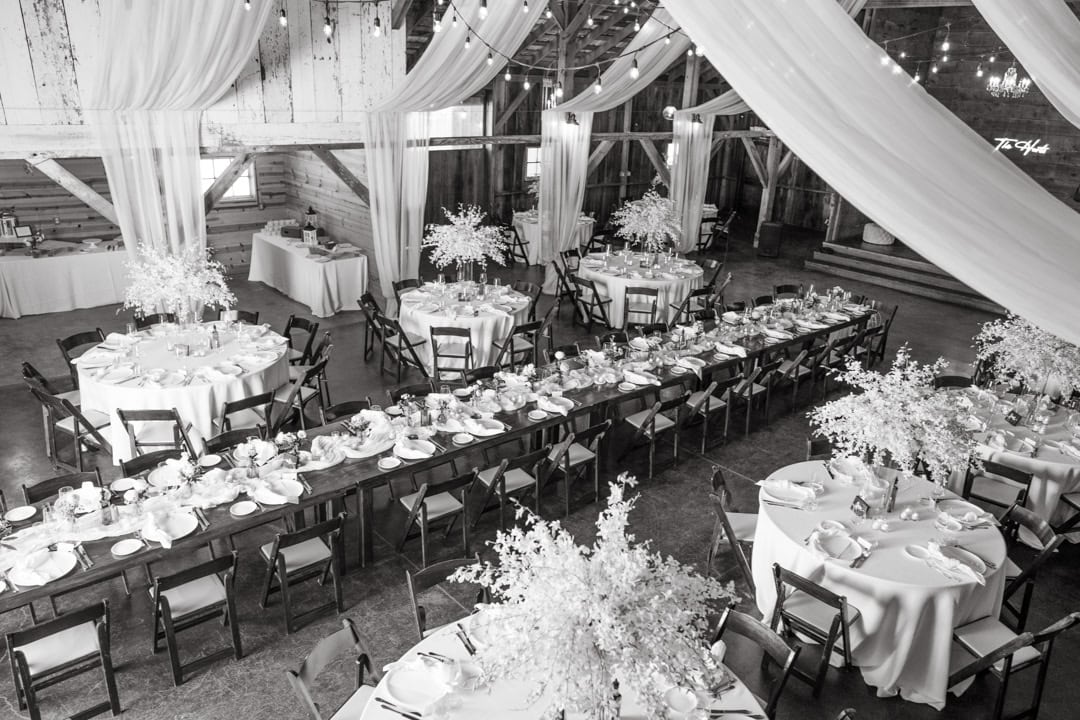
Sonoma County wedding venues
Sonoma carries a different energy than Napa — a little wilder, a little more relaxed, and every bit as stunning. Rolling golden hills, redwood groves, rustic estate barns, and some of the most beautiful vineyard light I’ve ever had the privilege of photographing.
A few of the Sonoma venues I return to again and again:
Kunde Estate Winery — dramatic hillside terraces and a working vineyard backdrop that feels genuinely untouched, ideal for couples drawn to garden wedding venues with real elevation and drama.
Benziger Family Winery — lush, biodynamic-farm grounds with a soft, garden-like romance to them; this is the venue I recommend most often for couples who want their wedding to feel grown rather than built.
Cornerstone Sonoma — a more curated, design-forward property, with gallery-style gardens that read as quietly luxurious rather than rustic.
Chalk Hill Estate — sweeping estate grounds and, without exaggeration, some of the finest golden-hour light in the entire county.
The Farmhouse Inn — intimate, warm, and ideally scaled for couples planning smaller wedding venues in Sonoma with a boutique, inn-like feel.
Dry Creek Vineyard — classic wine-country romance, with rows of vines stretching to the horizon in every direction.
This is only a sample of what Sonoma offers — see my complete list of Sonoma wedding venues for the full write-up on each, along with a few additional redwood and barn-style properties I love for couples chasing a more rustic aesthetic.
Tri-Valley & East Bay wine country wedding venues
This is the region most Northern California wedding guides skip entirely, and I think that’s a genuine oversight. The Tri-Valley — Livermore, Pleasanton, Sunol, Brentwood — has real wine-country credentials: working vineyards, historic estates, storied wineries, and a quality of light that rivals Napa or Sonoma on any given evening. It’s also, quite simply, the wine country I know most intimately, having photographed dozens of weddings across it.
Wente Vineyards (Livermore) is California’s oldest continuously operated family winery, with mature vineyard rows, rolling hills and an unmistakable sense of wine-country history. From a photography perspective, one of my favorite things about Wente is the variety we can create without pulling couples away from their guests for long. The vineyard becomes especially beautiful around golden hour, so I typically build a short sunset portrait window into my couples’ timelines rather than scheduling one long portrait session.
Garre Winery (Livermore) offers rustic, barrel-room charm for couples who want their reception to feel like it’s happening inside the wine itself.
Palm Event Center (Pleasanton) brings polished estate grounds and a genuinely grand ballroom, ideal for larger, more formal receptions.
Casa Real at Ruby Hill (Pleasanton) is one of the most iconic wine-country wedding venues in the entire East Bay, with sweeping vineyard views that hold their own against anything in Napa.
Casa Bella (Sunol) brings a Tuscan-inspired estate feel — olive trees, vineyard rows, and architecture that genuinely transports you to the European countryside for an afternoon.
Serendipity Cellars (Brentwood) is a smaller, more intimate vineyard property near the Delta, well suited to couples planning a quieter, more private celebration.
For the full details on the Livermore-area venues, see my Livermore wedding venues guide and my dedicated Wente Vineyards wedding guide. For the Pleasanton venues, including Palm Event Center and Casa Bella, see my Pleasanton wedding venues guide.
Best Northern California Wedding Venues by Style
With so many different landscapes and properties across the region, narrowing down a venue often becomes easier once you know the style of celebration you want. Here are a few places I’d start based on the overall setting and experience.
Vineyard & Winery Wedding Venues
For the classic Northern California wine-country experience, Wente Vineyards, Beaulieu Vineyard, Kunde Estate Winery and Serendipity Cellars offer vineyard settings with very different personalities—from polished Napa luxury to relaxed East Bay wine country.
Estate & Elegant Wedding Venues
Casa Real at Ruby Hill, Carneros Resort and Palm Event Center are strong options for couples looking for a more refined setting with beautiful grounds and formal reception spaces.
Intimate Wedding Venues
For smaller celebrations, I love venues that feel intentional at a lower guest count rather than simply feeling like a large venue with fewer people. Serendipity Cellars, Farmhouse Inn and some of Napa’s smaller private estates are particularly well suited to intimate weddings.
Garden & Outdoor Wedding Venues
Couples prioritizing outdoor scenery should consider properties with gardens, vineyard views and enough variety to move portraits throughout the day as the light changes. Cornerstone Sonoma, Kunde Estate and several of the Napa Valley properties in my venue guide are especially beautiful options.
For smaller celebrations: micro weddings & elopements
Not every Northern California wedding needs two hundred guests and a grand ballroom, and honestly, some of the most emotionally resonant weddings I’ve photographed have been the smallest. If you’re planning a micro wedding or an intimate elopement, look toward Napa’s hidden-gem estates, Sonoma’s Farmhouse Inn, or Serendipity Cellars in Brentwood — all three scale beautifully for guest counts under sixty without feeling underwhelming. Many properties across the region now offer dedicated elopement packages and all-inclusive elopement pricing, which can meaningfully simplify planning if you’re working with a shorter timeline or traveling in from out of state.
Indoor, outdoor, and all-inclusive: choosing the right setup
Northern California’s climate is genuinely reliable for outdoor ceremonies most of the year, but it’s worth planning with intention. Fire season, which typically runs from late summer into early fall, and winter’s rainy months are both worth asking your venue about directly — any reputable property will have a clear indoor backup plan built into your contract. If you’re drawn to outdoor wedding venues specifically, Sonoma’s redwood groves and Napa’s hillside estates both offer genuinely spectacular ceremony sites, while resort-style properties like Carneros lean into indoor-outdoor flexibility by design.
For couples who want fewer moving pieces, a number of properties across the region offer all-inclusive wedding packages that bundle catering, rentals, and coordination into a single booking — worth exploring if you’re planning from a distance or simply want a lighter lift. And if you’re hoping to keep your wedding party close for the whole weekend, look specifically for wedding venues with lodging on-site or nearby, which several of the Sonoma and Napa properties above offer.
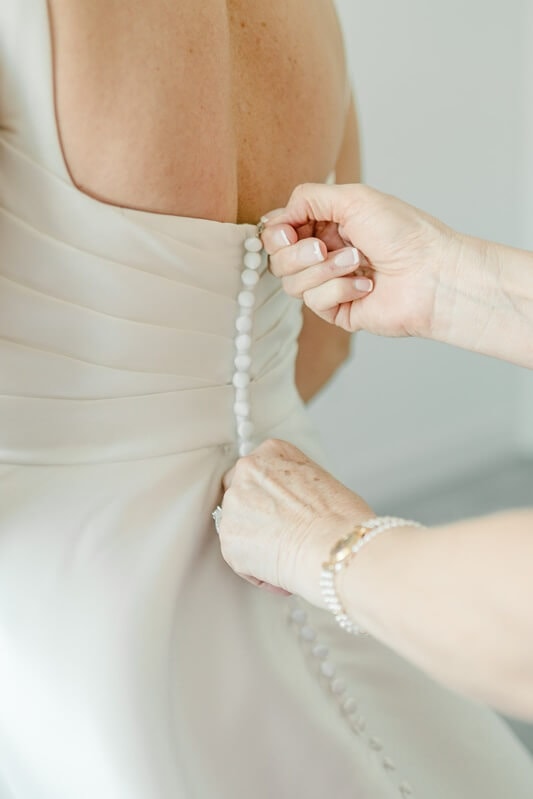
Choosing the right Northern California wedding venue for you
A few questions worth sitting with before you book:
How many guests are you inviting? Napa and Sonoma estates tend to run larger and more formal; the Tri-Valley has more range, from intimate 30-guest ceremonies to full 200-person receptions.
What’s your budget? As a general rule, Tri-Valley venues cost meaningfully less than comparable Napa properties for the same guest count and season, without sacrificing the wine-country aesthetic you’re after.
Indoor or outdoor? Ask any venue directly about their fire-season and rainy-season contingency plans — the best properties have this built in without it feeling like an afterthought.
How far are you asking guests to travel? Napa and Sonoma both draw a genuinely destination-wedding crowd from out of state; the Tri-Valley is a far easier trip for a primarily Bay Area guest list.
Best Time of Year for a Northern California Wedding
One thing couples don’t always consider when choosing their wedding date is how dramatically the light changes throughout the year. A ceremony time that leaves plenty of portrait light in June can leave us with very little daylight by October, which is why I always check sunset for the specific wedding date before helping a couple finalize their photography timeline.
Spring: Northern California is beautifully green, particularly after a rainy winter. Spring can be ideal for garden and vineyard weddings, although having a weather backup is still important.
Summer: Longer days give us more flexibility with ceremony and portrait timing. For inland venues in Livermore and the East Bay, I also account for afternoon heat when deciding when and where we’ll photograph.
Fall: Harvest season is one of my favorite times for wine-country weddings. Vineyards begin shifting into warmer tones and the light can be beautiful, but sunset gets progressively earlier as the season continues.
Winter: Earlier sunsets make timeline planning especially important, and venues with beautiful indoor spaces become much more valuable. Winter can also create a quieter, more intimate feel for smaller celebrations.
Frequently asked questions
What should I look for in a wedding venue from a photography perspective?
Look beyond the ceremony backdrop and consider the entire property. Natural light in the getting-ready spaces, shaded areas for family portraits, the direction of ceremony light, indoor options, walking distance between locations and access to the property around sunset can all affect the photography experience. I help my couples account for these details when building their wedding-day timeline.
What’s the best month for a Northern California wedding?
Late spring (April–June) and early fall (September–October) tend to be the sweet spot — warm days, cooler evenings, and vineyards at their most photogenic during harvest season.
Is Napa or Sonoma better for a wedding?
Neither is objectively “better” — it comes down to the feel you want. Napa reads as more polished and iconic; Sonoma leans more relaxed and rustic. I’ve photographed extraordinary weddings in both.
Are there good Northern California wedding venues outside of Napa and Sonoma?
Absolutely — the Tri-Valley and East Bay wine country region offers genuine vineyard and estate settings at a noticeably lower cost, with far more scheduling flexibility.
How far in advance should I book a Northern California wedding venue?
Sought-after venues in Napa and Sonoma often book twelve to eighteen months out, especially for fall Saturdays. Tri-Valley venues generally offer more flexibility, sometimes with availability inside a year.
Do I need a wedding planner for a Northern California wine country wedding?
It’s not strictly required, but for larger estate venues in Napa or Sonoma, a day-of or full-service planner makes a meaningful difference — and many properties require one as a condition of booking.
What should I budget for a Northern California wedding venue?
This varies enormously by region and season, but as a general guide, Tri-Valley venues tend to run lower than comparable Napa or Sonoma properties, and shoulder-season dates (late fall through early spring, outside the holidays) typically come at a lower rate than peak summer and harvest-season Saturdays.
As a Northern California wedding photographer with more than a decade of experience and over 300 weddings photographed, I’ve had the opportunity to work throughout Napa Valley, Sonoma, Livermore, the Tri-Valley, and the greater Bay Area. I photograph weddings using both film and digital, with a timeless, editorial approach focused on beautiful light, genuine connection, and photographs that still feel meaningful decades from now.

If one of these venues is already calling to you, let’s talk about capturing it beautifully — inquire here to hold your date.
- 7 Best Livermore Wedding Venues for Wine Country
- 10 Best Napa Valley Wedding Venues for Romantic Vineyard Weddings
- 5 Hidden Gem Venues in Napa for Small, Heartfelt Ceremonies
- Your Ultimate Guide to 18 Stunning Sonoma Wedding Venues
- 7 Best Pleasanton Wedding Venues, Including Palm Event Center
Map of Northern California wedding venues — Napa, Sonoma, and the Tri-Valley — curated by Northern California wedding photographer Vanessa Montano.
Service area: San Francisco, Livermore, Pleasanton, and the greater Northern California region.
~Vanessa


